THE FIGHT INSIDE ZANU PF IS NOW IN THE OPEN
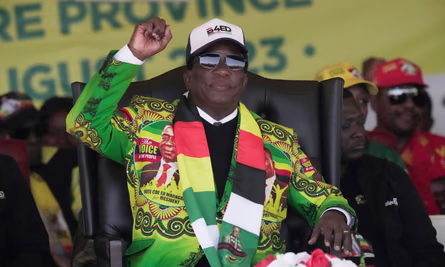
The fight inside Zanu PF is no longer a secret. It is now in the open for everyone to see. The knives are out, and the leaders are turning on each other. At the centre of this storm is businessman Kudakwashe Tagwirei. His sudden move into the Zanu PF Central Committee has caused a big split in the party. Senior leaders who used to pretend to agree on everything are now fighting in public.
Christopher Mutsvangwa, the party spokesperson, is saying Tagwirei’s appointment is not real. He says the whole process was wrong from the start. He also says Tagwirei does not meet the rules, and because of that, he cannot be in the Central Committee. Mutsvangwa says this move must be thrown away and should not stand.
But Patrick Chinamasa, the party’s legal chief, is saying the exact opposite. He went on his X account to defend the appointment. He says everything was done the right way and nothing is wrong. To him, Tagwirei is already a Central Committee member. The only thing left is the formal adoption, which he says is just a normal step.
Chinamasa gave a long story about how this started. He says the Harare Province met on 31 March 2025 and agreed to recommend Tagwirei. That recommendation was sent to Secretary General Obert Mpofu. Later, it was taken to the Politburo by National Political Commissar Munyaradzi Machacha. This happened during the 384th Politburo meeting on 2 July 2025. Chinamasa says the Politburo approved the recommendation and even wrote it in the minutes.
He also says the next Politburo meeting, the 385th one, was led by Vice President Constantino Chiwenga. In that meeting, the minutes confirming Tagwirei’s entry were approved again. No one changed anything. Chinamasa says this proves everything is final, and there is nothing left to fight about.
Chinamasa then made a small attack on people who are angry about this issue. He said maybe they have personal problems or they are scared of something. He also said that in his 38 years in the Central Committee and Politburo, he has never seen a simple co-option cause this big fight.
Some people may think this is just paperwork, but it is not. The truth is deeper. Tagwirei is not just a normal businessman. His name is linked to government money, secret deals and strong influence. If he joins the Central Committee, he changes the balance of power. Some people in Zanu PF are scared of losing control, and that is why the fight is so loud.
At the same meeting where Tagwirei was approved, other people were also added. These include Polite Kambamura, Christine Gwati, Joseph Serima and Collen Ndebele from Mashonaland West and Matabeleland North. But no one is talking about them. Only Tagwirei is making noise across the whole country.
This fight shows something bigger. Zanu PF used to hide its problems. Now the cracks are so big that everyone can see them. Senior leaders are now fighting in public because the stakes are high. This is not just about minutes or rules. It is a power war. Tagwirei’s rise shows that money power now wants political power too. And not everyone is ready to accept that.
For now, Zanu PF will act like everything is normal. But the truth is clear. The rift is growing, and the people are watching closely.
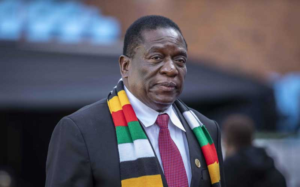
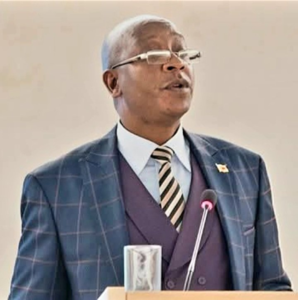
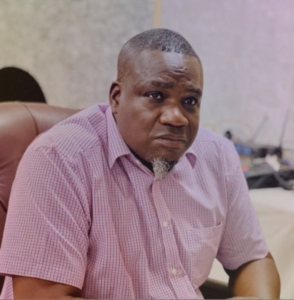
The silence around other co-opted members says everything. This fight is only about Tagwirei because he represents money power. Many in ZANU PF fear being pushed aside by businessmen who buy influence instead of earning it politically.
Christopher Mutsvangwa is entitled to his opinion, but party processes were followed. Patrick Chinamasa clearly explained the procedure, and the matter should be allowed to conclude without unnecessary drama.
There is nothing wrong with Tagwirei’s appointment. ZANU PF follows its constitution, and the Politburo approved the process. Internal debates should not be exaggerated into false claims of division.
This fight is not about rules or paperwork. It is about power and money. ZANU PF is now openly showing that business interests are buying their way into politics. Tagwirei’s rise proves that money now speaks louder than ideology.